

48 Core Figure 8 Fiber Cable
GYFTC8Y fiber optic overhead cable adopts a figure-8 self-supporting structure, fiber optic overhead cable enabling convenient overhead installation without the need for additional suspension wires. Self supporting cable can effectively protect optical fibers from external damage, laying a solid foundation for optical signal transmission. Aerial self-supporting optical fiber cable core features high-efficiency optical signal transmission capability.
Description
Technical Parameters
our company
Features
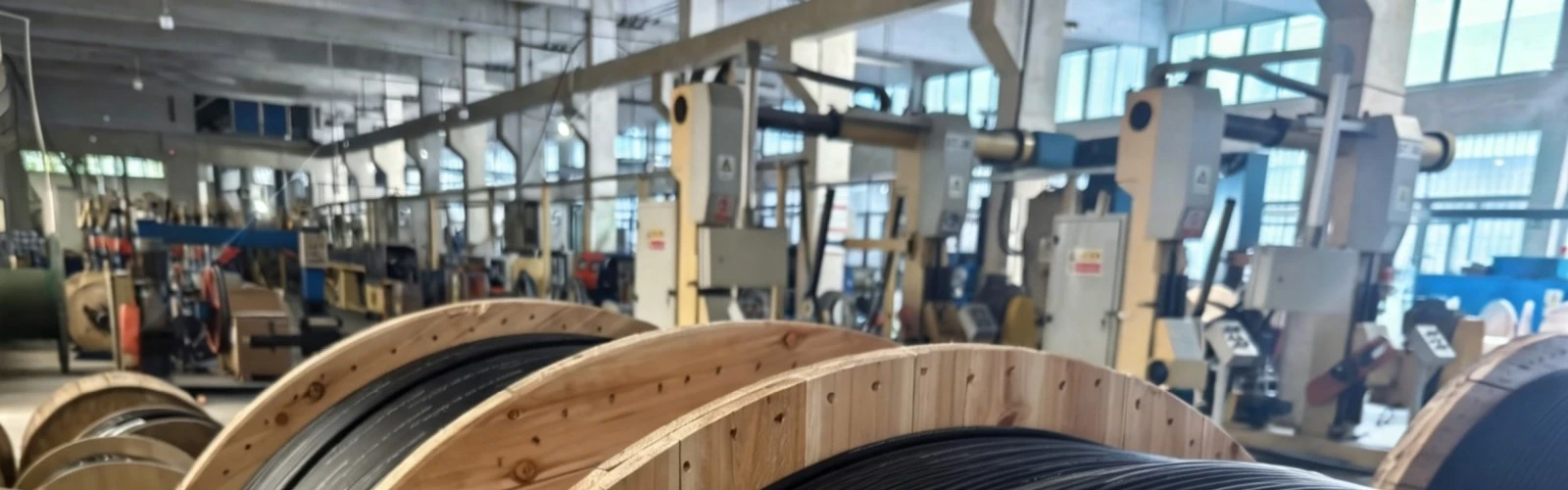
- Figure-8 cable structure, enabling convenient construction and high efficiency.
- UV resistance, ensuring no cracking during long-term outdoor use.
- Light weight material, reducing overhead load-bearing pressure.
- Low-loss design, minimizing long-distance signal attenuation.
Environmental Characteristics
• Transport/storage temperature: -40℃ to +60℃
Delivery Length
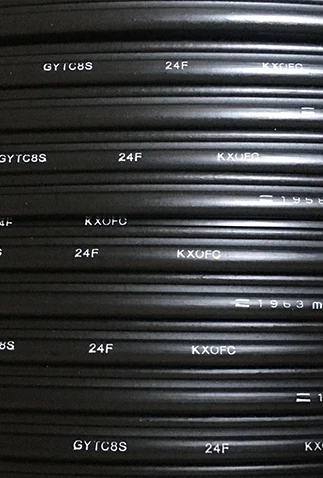
• Standard reel length: 2km/drum; other lengths are also available.
What fiber types do you use?
We mainly use brand new qualified fiber: G652D for long-distance trunk communication, G657A1/A2 for bending-resistant indoor and wiring projects. All fibers have stable transmission performance and low loss.
own brand




Pack and ship


Tip
Comparative‑Analysis Between the Current Optical‑Fiber Prosperity Cycle and the Previous One (2015‑2018)
Demand Structure The last cycle was driven solely by telecom‑operator demand, centering on FTTH (Fiber‑to‑the‑Home) services and 4G base‑station backhaul constructed by China's three major carriers. Its goal was rapid wide‑area network coverage and nationwide internet access. It featured massive demand and a single technical standard dominated by G.652‑D fiber, and was closely correlated with the real‑estate cycle and population density.
The ongoing cycle boasts diversified demand sources. Demand contributors have expanded from traditional telecom carriers to cloud‑service providers and specialized‑application sectors. Growing market requirements for high bandwidth, low latency and high reliability have lifted the market share of special‑type fibers including G.657 bend‑insensitive fiber, G.654E ultra‑low‑loss fiber, spider‑web‑structured optical cables and hollow‑core fiber. The core driving force has shifted from "connecting people" toward "connecting computing power and data", which delivers stronger sustainability.
Capacity Cycle The previous boom triggered all‑round supply expansion and subsequent severe overcapacity. Attracted by handsome profits, the industry carried out large‑scale and homogeneous capacity expansion spanning optical preform manufacturing down to finished optical cables. This directly caused massive overcapacity, brutal price wars and a multi‑year industry downturn starting in 2018.
The current cycle is marked by structural capacity shortage and orderly capacity expansion. Manufacturers adopt rational and restrained investment strategies and prioritize high‑end production lines, making it impossible to reverse the supply‑demand imbalance in the short run.
Price Elasticity The earlier cycle witnessed a sharp price surge from 2015 to 2017 followed by a rapid crash between 2018 and 2020. The spot price of loose fiber was halved from its tax‑free peak of around 78.8 RMB per core‑kilometer down to 30 RMB per core‑kilometer within only 1.5 years, indicating extreme price volatility.
Today's spot price has surpassed the historical peak of the last cycle. Sustained structural demand is likely to keep prices fluctuating at high levels with an upward bias and strong downside resilience, laying a more solid foundation for corporate earnings.
Competitive Landscape Both cycles maintain a high‑level market concentration ratio (CR5) under oligopolistic competition. Their primary distinction lies in corporate competition patterns. Despite market concentration during the last cycle, leading manufacturers shared overlapping products, technical routes and target markets. Competition boiled down to homogeneous‑product infighting over production costs and operational scale.
After the industry‑wide market shake‑out, major players have moved past cut‑throat price competition. They now build competitive moats in differentiated high‑value segments via technical barriers and forward‑looking industrial layouts.
Hot Tags: 48 core figure 8 fiber cable, China 48 core figure 8 fiber cable manufacturers, suppliers, factory, Aerial Fiber Optic Cable, Aerial Fibre Optic Cable, Figure 8 Fiber Optic Cable, Outdoor Aerial Fiber Optic Cable, Overhead Fiber Optic Cable, Self Supporting Aerial Fiber Cable
Technical Characteristics
|
Fiber Count |
12~144 |
|
Loose Diameters |
2.1 mm |
|
Loose Material |
PBT ((Polybutylene Terephthalate)) |
|
Central Strength Member |
FRP |
|
Outer Jacket Material |
HDPE |
|
Self Strength Messenger |
7*1.2mm Steel wires |
|
Nominal Outer Dimension |
9.0mm*12.8mm (±0.3) |
|
Tension Strength (Long-Term /Short-Term) |
3000N/7000N |
|
Crush Resistance (Long-Term /Short-Term) |
300 N/1000mm |
|
Minimum Bend Radius (Static / Dynamic) |
10 x OD / 20 x OD |
*All above the cable size can be customized.
Previous
24 Core Figure 8 Fiber CableNext
Figure 8 Fiber CableSend Inquiry


