
G652d Optical Fiber
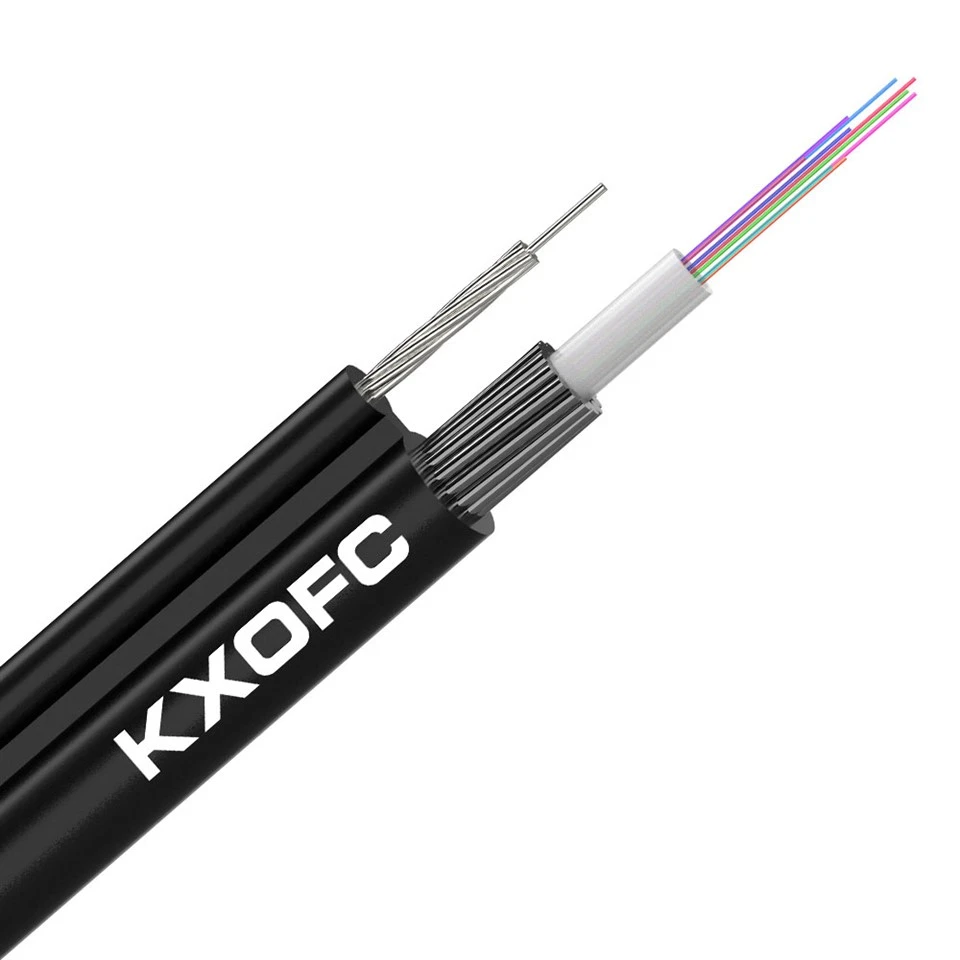
GYXTC8Y outdoor aerial fiber optic cable is designed for use in aerial outside plant installations. Fibers are housed in loose tubes that made of high-modulus plastic and filled with jelly. The steel wires around the central loose tube to form a cable core. PE outer coating, made in the shape of figure 8 , self-support part 7 steel wires (or 1 single steel messenger) woven together.
Description
Technical Parameters
our company
Features
Outdoor aerial fiber optic cable has reasonable design and accurate control of the residual length of the fiber in the loose tube, so that the cable has excellent tensile performance and temperature performance. Outdoor aerial fiber optic cable GYXTC8Y core is filled with oil paste to ensure longitudinal water resistance. A single polyethylene jacket with additives offers superior protection against UV radiation, fungus, abrasion, and other environmental factors.
Environmental Characteristics
• Transport/storage temperature: -40℃ to +60℃
Delivery Length
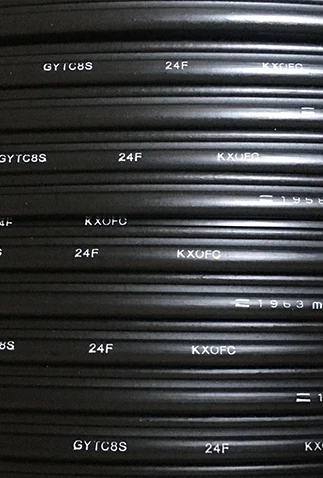
• Standard reel length: 2km/drum; other lengths are also available.
Design and service
Cable design and package design available. OEM/ODM service also available.
You can share us your requirement.
own brand




Pack and ship


Tips
There are three major judgment criteria on-site: any one of them met indicates that the entire line should be replaced.
1. Visual judgment of the outer sheath (without using instruments, directly observed on-site) - The outer layer shows extensive whitening, surface cracking, and when touched, debris can be scraped off. The sheath loses its toughness. There are multiple cracks and holes in the sheath, allowing the internal loose cable and steel wire to be seen directly. The optical cable joint box frequently gets water, there is accumulated water inside, and the steel tape has obvious rust. There are multiple sections of overhead lines with damaged outer sheaths, mouse bite marks, and the repair tape has already failed and fallen off.
2. Optical loss data judgment (precise determination by instruments, hard standard for renovation and acceptance) - For the same link, the annual measured loss increase is > 0.2 dB, and it has continuously increased for two consecutive years. The total loss exceeds the initial design budget by more than 3 dB. Cleaning and re-melting cannot bring it back. The OTDR curve has multiple gentle depressions (macro bends and micro bends with aging loss). There are more than three fusion splicing points in the same section, and the total loss is consistently exceeding the standard.
3. Fault frequency judgment (judgment based on operation and maintenance experience) - Within a single section of optical cable, the fault repair within one year is ≥ 2 times. The same point repeatedly causes problems. During rainy and cold weather, there is frequent lagging and disconnection. The loss fluctuates greatly due to environmental changes. Multiple cameras and points intermittently go offline at the same time. After excluding equipment and connector issues, the line aging is identified.
Scene-specific practical handling plans (precise control of renovation budget)
1. The equipment is in good condition and has not reached the design lifespan → Continue to use it. Conduct annual re-measurement of optical attenuation, sheath integrity, and wear. There will be no frequent failures. Save the standard curve using OTDR each year and track the loss changes. No replacement is necessary.
2. Partial areas are aging and damaged → Replace only the damaged sections of the segmented optical cables. Only the outer skin of a small section is cracked or rusted, while the rest of the lines are in good condition. Replace only the faulty sections of the optical cables, and make joint boxes at both ends for connection. This can save the overall renovation cost.
3. Multiple areas are aging, the loss is continuously increasing, and frequent repairs are required → Replace the entire line with new optical cables. There are multiple damages, hydrogen loss, and overall attenuation exceeds the standard. Local repairs only address the symptoms but not the root cause. Short-term, there will still be repeated failures. Replacing the entire line at once has a lower long-term operation and maintenance cost.
Construction protection key points for extending the service life of optical cables
Install sun protection sleeves on outdoor overhead cables to prevent them from being exposed to direct sunlight for a long time; For low-lying areas, use double-layer armored water-blocking optical cable junction boxes and ensure complete waterproof sealing. Wrap waterproof cement around the inlet and outlet ports to prevent water from seeping into the direct-buried optical cable trench. Lay fine sand as a base to avoid saltwater and sewage areas. Add steel pipes for protection over roads and reserve sufficient cable splicing space to avoid tight tension and small-radius bending, reducing long-term micro-bending loss.
Hot Tags: g652d optical fiber, China g652d optical fiber manufacturers, suppliers, factory, Aerial Fibre Optic Cable, Figure 8 Fiber Optic Cable, Outdoor Aerial Fiber Optic Cable, Overhead Fiber Optic Cable, Self Supporting Aerial Fiber Cable, Self Supporting Fiber Optic Cable
Technical Characteristics
|
Fiber Count |
2~12 |
|
Loose Diameters |
2.2 mm |
|
Loose Material |
PBT ((Polybutylene Terephthalate)) |
|
Self Strength Member |
Steel wire |
|
Surrounded steel wires |
12x1.0mm,Plastic coated |
|
Outer Jacket Material |
HDPE |
|
Messenger |
7*1.2mm steel wires |
|
Nominal Outer Dimensions |
8.0mm*13.5mm(±0.3) |
|
Tension Strength (Long-Term /Short-Term) |
3000N/7000N |
|
Crush Resistance (Long-Term /Short-Term) |
300 N/1000mm |
|
Minimum Bend Radius (Static / Dynamic) |
10 x OD / 20 x OD |
*All above the cable size can be customized.
Previous
Fig 8 CableNext
Optical CableSend Inquiry


