

6 Core Fiber Optic Cable
GYFXY G652D fiber cable, 6 core fiber optic cable are housed in a loose tube that is made of high-modulus plastic (PBT)and filled filling compound. Two FRP are placed in parallel outside the tube, and a round-shape PE sheath is extruded. Fiber Count: 2–24 Central Loose Tube: 2.1 mm Strength Members: 2 × 1.0 mm Steel wire Armor Material: Corrugated steel tape Outer Diameter: 7.0–8.0 mm Tensile Strength: 600 N / 1500 N Crush Resistance: 300 / 1000 N/100 mm
Description
Technical Parameters
Products Description

GYFXY is a central loose tube, all-dielectric non-armored outdoor optical cable, normally available in fiber counts from 2 to 24 cores.
Colored 250μm optical fibers are housed inside a high-modulus PBT loose tube filled with water-blocking compound for fiber cushioning and protection. Water-blocking yarn / water-blocking tape is applied around the loose tube for longitudinal water blocking. Two parallel FRP (Fiber Reinforced Plastic) non-metallic strength members are placed beside the loose tube to provide tensile resistance. The outermost layer is extruded black HDPE sheath with UV resistance and anti-aging property. No metallic components inside, fully dielectric design.
Raw Materials
High quality raw materials
Choose the plan that suits you best.

Fiber
G657A2,G657A1,G652D
We used the fiber brands:YOFC,ZTT,Hengtong,Fiber home.......

hDPE Sheath
This cable features a premium HDPE outer sheath. It offers great UV, weather and abrasion resistance, guards against moisture and cracking, and reliably protects internal fibers for long-term outdoor use.

Aramid yarn
High-strength aramid yarn is applied for extra tensile reinforcement. It delivers superior tension resistance while keeping the cable lightweight and flexible.

Jelly
Premium cable filling compound & fiber paste block water ingress, protecting fibers from moisture damage.
Package and Loading

We offer flexible custom packaging for the fiber optic cable, with plywood drum and solid wooden drum as your options. Solid wooden reels can be fumigated in compliance with regional phytosanitary import standards.
plywood drum is light-weight and economical, convenient for handling and lifting, perfect for short and medium-haul transport. Solid wooden drum boast robust structure and excellent impact resistance, well-suited for long-distance sea shipping and heavy cable loads. Fumigated wooden reels help you clear customs smoothly in most overseas destinations.

our company
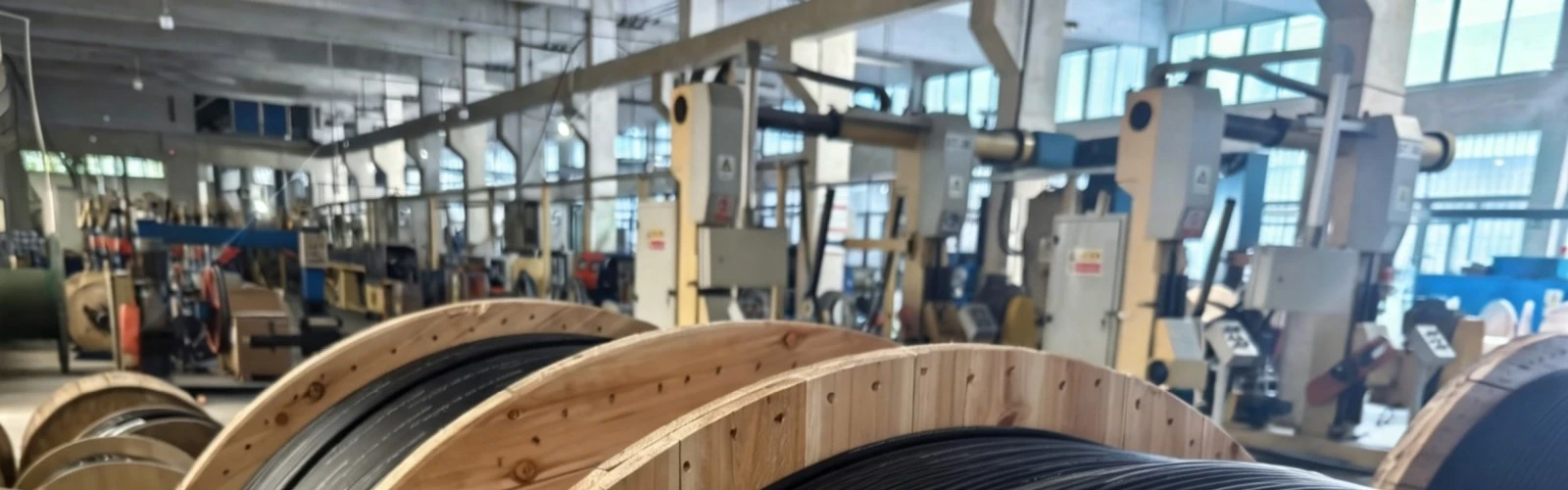
We are an experienced, reliable optical cable manufacturer with competitive pricing. Welcome to visit our factory and send us your inquiry.
Our address
No. 28 Linglong Street,Lin'an District, Hangzhou City, Zhejiang Province, China 311300
+86-18968035161
faye@kexincable.com

Hot Tags: 6 core fiber optic cable, China 6 core fiber optic cable manufacturers, suppliers, factory, Flat Fiber Optic Cable, G652D Fiber Cable, GYFTY Fiber Optic Cable, Kabel Fo Duct, non metal dielectric optical cable
Technical Characteristics
| Fiber Count | 2~24 |
| Loose Diameters | 2.0~2.6 mm |
| Loose Material | PBT (Polybutylene Terephthalate) |
| Dielectric Strength Member Material | FRP |
| Dielectric Strength Member size | 1.0 |
| Outer Jacket Material | PE |
| Nominal Outer Dimensions | 6.0~8.0 mm (±0.3) |
|
Tension Strength (Long-Term /Short-Term) |
600N/1000N |
|
Crush Resistance (Long-Term /Short-Term) |
300 N/100mm 1000 N/100mm |
| Minimum Bend Radius (Static / Dynamic) | 10 x OD / 20 x OD |
*All above the cable size can be customized.
Previous
4 Fiber Optic CableNext
Flat Fiber CableSend Inquiry
You Might Also Like


