
Fiber Link
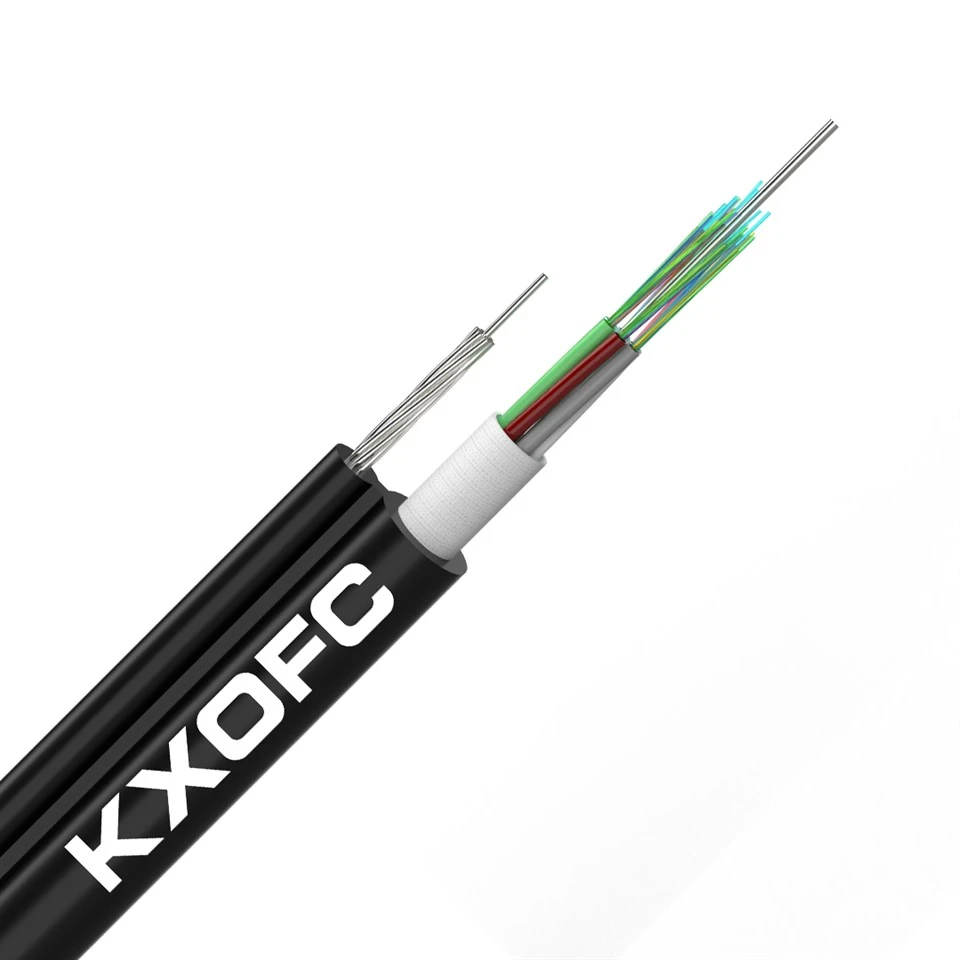
GYFTC8Y fiber optic overhead cable adopts a figure-8 self-supporting structure, fiber optic overhead cable enabling convenient overhead installation without the need for additional suspension wires. Fiber optic,Self supporting cable can effectively protect optical fibers from external damage, laying a solid foundation for optical signal transmission. Aerial self-supporting optical fiber cable core features high-efficiency optical signal transmission capability.
Description
Technical Parameters
our company
Features
- Figure-8 cable structure, enabling convenient construction and high efficiency.
- UV resistance, ensuring no cracking during long-term outdoor use.
- Light weight material, reducing overhead load-bearing pressure.
- Low-loss design, minimizing long-distance signal attenuation.
Environmental Characteristics
• Transport/storage temperature: -40℃ to +60℃
Delivery Length
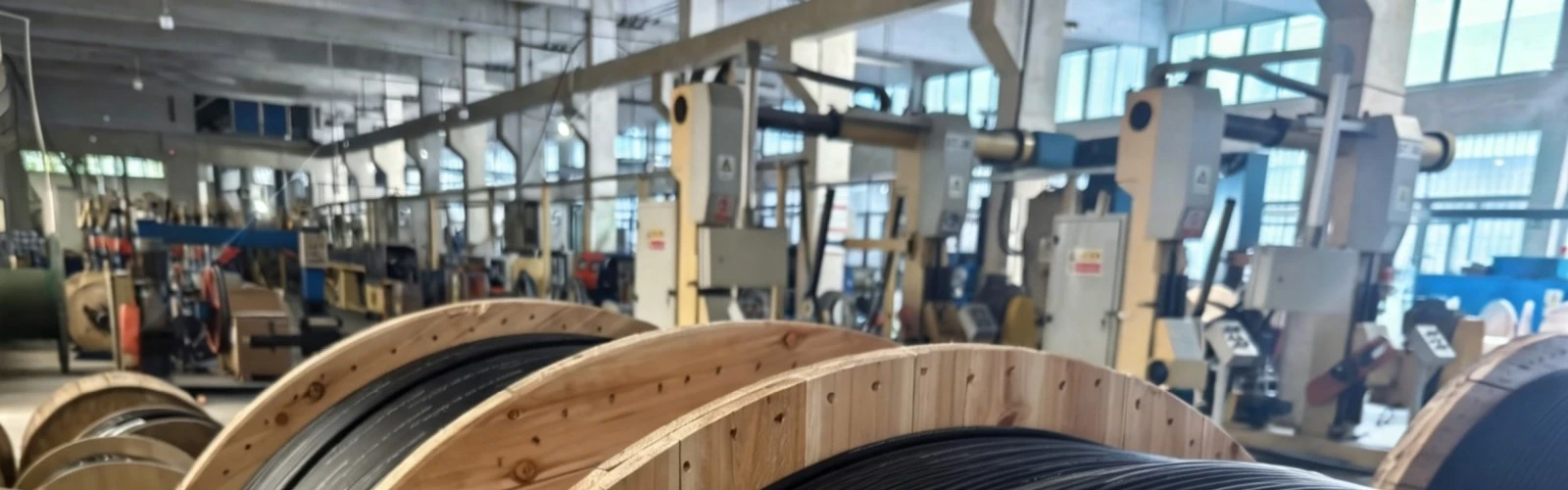
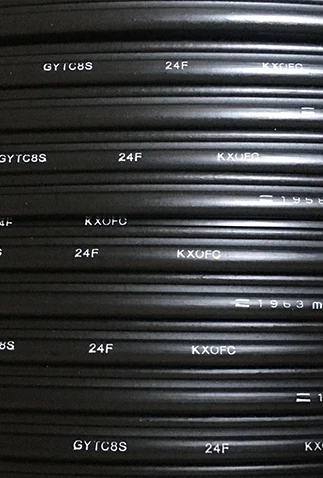
• Standard reel length: 2km/drum; other lengths are also available.
What fiber types do you use?
We mainly use brand new qualified fiber: G652D for long-distance trunk communication, G657A1/A2 for bending-resistant indoor and wiring projects. All fibers have stable transmission performance and low loss.
own brand




Pack and ship


Tips
The Revolution of AI in Performance Testing:
Fiber link,whether in the comprehensive testing of finished optical fiber products or in the type testing of optical cables before shipment, AI-powered automated testing systems are gradually replacing traditional manual operations and subjective judgments.
1. Automated Testing and Intelligent Interpretation:
Performance testing of optical communication products involves numerous parameters. Taking optical fiber as an example, the tests include geometric parameters (core diameter, cladding diameter, out-of-roundness, concentricity error, etc.), optical parameters (attenuation coefficient, cutoff wavelength, mode field diameter, dispersion, etc.), mechanical properties (tensile strength, fatigue parameters, etc.), and environmental performance (temperature cycling, damp heat aging, etc.). Traditionally, these tests were mostly performed item by item by inspectors using specialized instruments. Test data was stored in paper records or spreadsheets, and the pass/fail determination of test results relied on the inspector's understanding and memorization of standards and specifications.
With the introduction of AI technology, this working model is changing. Intelligent comprehensive testing platforms can automatically complete the sequential testing of multiple parameters, and the test data is uploaded to a central database in real time. AI algorithms automatically interpret the test results, compare them with standard requirements, and mark anomalies or boundary values. The focus of inspectors has shifted from "operating instruments" and "recording data" to "anomaly confirmation" and "cause analysis," improving both efficiency and accuracy.
In OTDR (Optical Time Domain Reflectometer) testing, traditional methods require manual identification of various event points in the optical fiber, such as joints, breaks, and bends, from waveform curves. This is not only time-consuming, but also prone to inconsistencies in judgment among different personnel. Deep learning-based OTDR event recognition algorithms can now automatically identify and classify various fault events with over 95% accuracy, reducing analysis time from tens of minutes to seconds. For personnel who need to perform a large number of OTDR tests daily, this translates to a significant reduction in workload.
2. Lifespan Prediction and Reliability Assessment
Optical communication products typically have high reliability requirements, especially those used in critical scenarios such as submarine cables and aerospace, which need to guarantee a lifespan of decades. Traditional reliability assessments mainly rely on accelerated aging tests and statistical analysis, consuming a large number of samples and testing time.
AI technology provides a new approach to reliability assessment. By analyzing the changing patterns of performance parameters during accelerated aging tests, deep learning models can learn the inherent laws of product degradation. AI models trained on early-stage test data can predict a product's long-term reliability based on its early performance. This predictive capability helps testing departments identify batches with potential reliability risks in advance and also helps optimize and accelerate testing protocols, reducing unnecessary testing time and sample consumption,fiber link.
Hot Tags: fiber link, China fiber link manufacturers, suppliers, factory, Aerial Fibre Optic Cable, Fiber Optic Overhead Cable, fig 8 self support optical fiber cable, Figure 8 Fiber Optic Cable, Overhead Fiber Optic Cable, Self Supporting Aerial Fiber Cable
Technical Characteristics
|
Fiber Count |
12~144 |
|
Loose Diameters |
2.1 mm |
|
Loose Material |
PBT ((Polybutylene Terephthalate)) |
|
Central Strength Member |
FRP |
|
Outer Jacket Material |
HDPE |
|
Self Strength Messenger |
7*1.2mm Steel wires |
|
Nominal Outer Dimension |
9.0mm*12.8mm (±0.3) |
|
Tension Strength (Long-Term /Short-Term) |
3000N/7000N |
|
Crush Resistance (Long-Term /Short-Term) |
300 N/1000mm |
|
Minimum Bend Radius (Static / Dynamic) |
10 x OD / 20 x OD |
*All above the cable size can be customized.
Previous
Fiber Optic Cable Single ModeNext
Outdoor FiberSend Inquiry


